
Choosing the right genetics is crucial for optimizing lean meat yield, marbling quality, and feed efficiency in pigs. By selecting...

Must-know when selecting Genetics for Lean Meat, Marbling, and Feed Efficiency in Pigs
By Agrihop
This is an insight for the question: How can I select swine genetics for lean meat, marbling, and feed efficiency?
Genetics play a crucial role in determining the quality of pork, influencing factors such as leanness, marbling, and feed efficiency. Selecting the right genetics can help swine producers optimize growth rates, reduce production costs, and meet market demands for high-quality meat. This article explores the key traits to consider, recommended breeds, and genetic selection strategies to improve pork production.
1. Key Traits for Genetic Selection
When selecting pigs for superior meat quality and growth performance, focus on the following traits:
A. Lean Meat Yield
Backfat Thickness: Less backfat increases carcass yield and leaner pork.
Muscle Mass: Higher muscle-to-fat ratio improves carcass value.
Loin Eye Area (LEA): A larger LEA indicates more lean meat in prime cuts.
B. Marbling & Meat Quality
Intramuscular Fat (IMF): Moderate levels improve juiciness and flavor.
pH Levels: Higher pH (5.6–6.2) prevents pale, soft, and exudative (PSE) pork.
Tenderness & Color: Genetic markers influence fiber structure and water retention.
C. Feed Efficiency & Growth Performance
Feed Conversion Ratio (FCR): Lower FCR (e.g., 2.5:1) means less feed is needed per pound of weight gain.
Daily Gain (ADG): Faster-growing pigs reach market weight sooner, reducing costs.
Residual Feed Intake (RFI): Lower RFI indicates pigs that grow efficiently on less feed.
2. Best Pig Breeds for Lean Meat, Marbling, and Efficiency
Different pig breeds have distinct genetic advantages. Here’s a breakdown of top breeds for meat quality and efficiency:
Duroc: Excellent marbling, high feed efficiency, and tender pork.
Landrace: Lean and fast-growing with good maternal traits.
Yorkshire (Large White): High lean meat yield and strong feed efficiency.
Pietrain: Extremely lean but requires careful feeding to balance meat quality.
Berkshire: Superior marbling and flavor but slower growth.
3. Genetic Testing & Selection Strategies
To ensure optimal results, consider these selection techniques:
A. Estimated Breeding Values (EBVs)
Use EBVs to compare animals based on growth rate, carcass traits, and feed conversion efficiency.
B. Genomic Testing
DNA testing helps identify pigs with genes for improved lean yield, marbling, and disease resistance.
C. Crossbreeding Programs
Combining breeds like Duroc × Landrace or Yorkshire × Pietrain balances lean yield and meat quality.
D. Artificial Insemination (AI) & Selective Breeding
Use AI with proven sires for desired traits while avoiding genetic defects.
Conclusion
Selecting the right genetics is essential for producing high-quality pork efficiently. By focusing on lean meat yield, marbling, and feed efficiency, farmers can enhance productivity and profitability. Utilizing breeding values, genomic testing, and strategic crossbreeding ensures continuous improvement in pork quality while meeting consumer demand.
Previous insights about this topic
More recent insights
Preventing Disease Outbreaks: How to Monitor and Detect Emerging Diseases Early
Early detection is crucial in preventing disease outbreaks that can impact livestock health and farm profitability. Implementing proactive monitoring systems...

Understanding MARA and your products market entry strategy in China
Entering the Chinese agricultural market requires a deep understanding of regulatory frameworks and market entry strategies. One of the key...

Turning Waste Into Feed: An introduction
More and more, farmers are realizing that what looks like “leftovers” can actually be a valuable resource for animal feed....

The Importance of Farm Entry Protocols in Preventing Avian Influenza
Avian influenza poses a serious threat to poultry health and farm profitability, making strict biosecurity measures essential. One of the...
More recent Topics
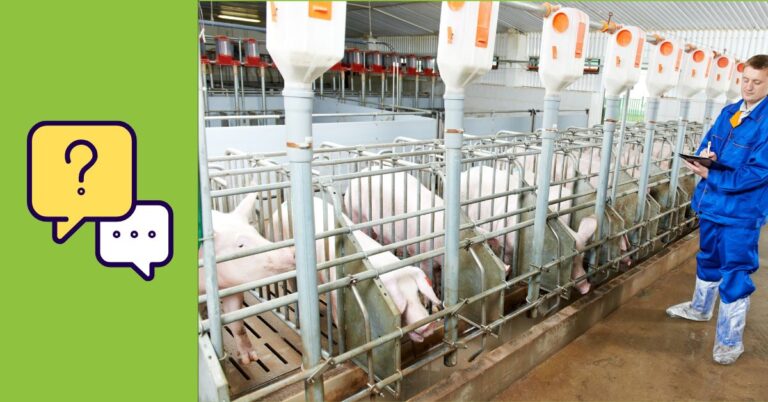
How does the equipment help minimize waste and reduce operational costs, such as through precision feeding or reducing water consumption?
On livestock farms, the right equipment can drastically reduce waste and operational costs by optimizing resource usage. Precision feeding systems...
How do the additives improve animal performance during critical life stages, such as weaning, lactation, or finishing?
Nutritional feed additives play a vital role in supporting animals through critical life stages, such as weaning, lactation, and finishing....

Are there any nutritional deficiencies or imbalances affecting animal health or productivity?
Proper nutrition is essential for optimal growth, reproduction, and productivity in livestock. Deficiencies or imbalances in key nutrients—such as proteins,...

What measures do we have in place to monitor for emerging diseases, and how can we detect them early?
Effective disease prevention begins with early detection. By implementing comprehensive monitoring systems and utilizing cutting-edge technology, farmers can stay ahead...
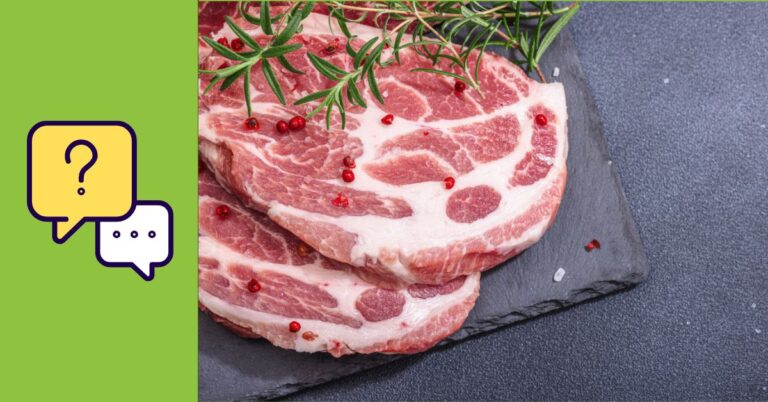
How can I select swine genetics for lean meat, marbling, and feed efficiency?
Selecting the right swine genetics is key to achieving optimal meat quality and production efficiency. Whether you’re focusing on lean...

What is the current health status of our livestock, and are we following proper vaccination and biosecurity protocols?
Ensuring a balanced diet is essential for maintaining livestock health, growth, and efficiency. Nutritional deficiencies or imbalances in proteins, minerals,...
