

Proper nutrition is essential for optimal growth, reproduction, and productivity in livestock. Deficiencies or imbalances in key nutrients—such as proteins,...
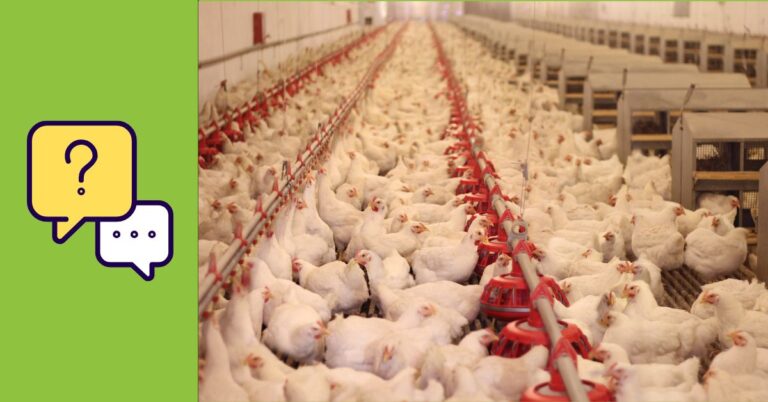
EMEA&APAC | Exclusive interview with Dr. Vincent Guyonnet
Beyond the Label 🥚
China’s decision to phase out the “raw-edible” egg certification isn’t just a regulatory update — it marks a turning point in how egg safety, quality, and trust are defined. For years, the label served as a shortcut to “premium” status. Now, producers are being asked to demonstrate real quality through robust systems, scientific control, and transparency.
To understand what this shift truly means — both within China and in a global context — we spoke with Dr. Vincent Guyonnet, an international poultry industry consultant. Drawing on global best practices from Japan, Europe, and beyond, Dr. Guyonnet shares his perspective on the next chapter for China’s egg sector: raising standards, embracing technology as proof, and rebuilding consumer trust from the ground up.
Beyond the Label
- [The “raw-edible” certification once signaled premium quality — now it’s being retired. What does this shift tell us about where China’s egg and poultry industry is heading?]
First of all, let place this claim “raw edible” within the global context. This practice of eating raw eggs is prevalent only in Japan and it is the only country where shell eggs are being sold with such a claim. Japan has implemented a comprehensive on-farm monitoring program to guarantee that flocks are free of Salmonella. Consumers in other countries do use raw eggs for food preparations (for example, home made mayonnaise or other types of sauces) but under their own choice – the eggs used are specifically identified for that purpose. If you look at data from Europe and the ESFA, eggs are rarely involved in foodborne diseases. The European egg sector has done an excellent job with the control of Salmonella in farms. The “raw edible” claim required a very high level of monitoring and enforcement by authorities.
Raising the Bar
- [If this change isn’t about lowering standards but raising them, what new benchmarks will define “premium” in the years ahead?]
All eggs bought in stores should be free of Salmonella. The more eggs are being purchased as graded products, packaged in good quality containers (no breakage) and produced in farms respecting good management and husbandry practices, the less risk of contamination with Salmonella. Although I think Chinese cuisine does not have too many dishes using raw eggs, we need to make sure that Salmonella is well controlled on farms.
Technology as Proof
- [You often say technology should prove quality, not just promote it. What kinds of systems or innovations can help producers demonstrate real food safety and reliability?]
See my 2 articles on WeChat for more details (June 16, 2025 and March 31, 2025).We have already some excellent examples of farm monitoring protocols done in the EU27, Japan, Australia and to a lesser extent in the USA. Technology, especially data analysis through the eyes of Artificial Intelligence will help us identify trends and provide us with early alerts on potential problems on farms. A regular
monitoring of Salmonella in the house environment is a good start. Traceability is also essential to gain and maintain the confidence of consumers.
Global Collaboration
- [For international agri-businesses looking to partner in this space, where do you see the biggest opportunities to add real value — beyond marketing claims?]
Interestingly, the egg sector is still very much a family-owned type of production and 97% of the eggs are consumed in the country where they are produced. There are very few international agri-business involved in egg production and CP from Thailand, with operations in China, Vietnam, Indonesia and Turkey is the one exception to this rule. I think cooperation is needed for egg processing, that is using eggs to produce liquid eggs and other types of further processed products. The egg processing sector is still vey small in many Asian countries. Through the development of new innovative products, the egg sector will create new opportunities for consumes to enjoy eggs.
The Future of Trust
- [As the industry moves into this “proof-based” era, what will trust look like between producers, regulators, and consumers?]
One key component of the communication with consumers is the issue of Trust. We must gain the trust of consumers and it is likely best done by national producers organizations. One of the best examples is likely what happened in the UK. 35 years ago, the Health minister mentioned that all eggs in the UK were infected with Salmonella. This created a panic and the sales of eggs dropped immediately by 60%! Consumers did not want to consume British eggs. The egg sector created the British Lion Quality scheme, a national quality standards program independently evaluated and monitored. The British egg sector slowly regained the trust of consumers and today, 90% of the UK egg producers used this “Lion” stamp to comfort consumers in their choice of eggs. Trust is essential and must be maintained at all time.
More recent Topics
How can I improve feed conversion rates (FCR) to maximize poultry farm profitability?
Improving Feed Conversion Rate (FCR) is key to reducing costs and increasing profitability in poultry farming. By optimizing nutrition, flock...

What are the best biosecurity measures to prevent diseases like avian influenza?
Protecting your poultry from avian influenza and other diseases starts with strong biosecurity practices. Implementing the right measures can help...

How is China’s egg industry transforming from label-based “premium” claims to a new era defined by proof, regulation, and true
🐣China's "Premium Egg" Label is Disappearing. This isn't about lowering standards. It's about raising the bar. The change pushes the...

What is the current health status of our livestock, and are we following proper vaccination and biosecurity protocols?
Ensuring a balanced diet is essential for maintaining livestock health, growth, and efficiency. Nutritional deficiencies or imbalances in proteins, minerals,...

More recent insights
Preventing Disease Outbreaks: How to Monitor and Detect Emerging Diseases Early
Early detection is crucial in preventing disease outbreaks that can impact livestock health and farm profitability. Implementing proactive monitoring systems...

Understanding MARA and your products market entry strategy in China
Entering the Chinese agricultural market requires a deep understanding of regulatory frameworks and market entry strategies. One of the key...

Turning Waste Into Feed: An introduction
More and more, farmers are realizing that what looks like “leftovers” can actually be a valuable resource for animal feed....
The Importance of Farm Entry Protocols in Preventing Avian Influenza
Avian influenza poses a serious threat to poultry health and farm profitability, making strict biosecurity measures essential. One of the...

Optimizing Efficiency: How Equipment Can Minimize Waste and Reduce Operational Costs
Investing in the right agricultural equipment is crucial for boosting efficiency, minimizing waste, and reducing operational costs. By utilizing advanced...
Determining Your Pet’s Healthy Weight and Adjusting Their Diet
China’s animal feed industry is one of the largest in the world, supplying feed for livestock, poultry, and aquaculture. To...
