
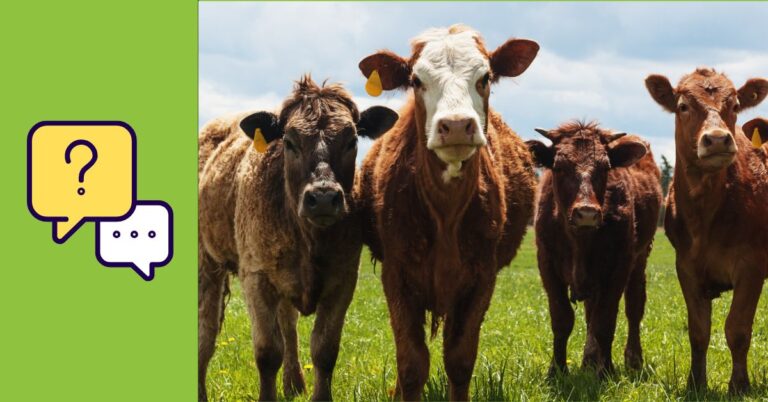
Achieving optimal growth and superior meat quality in beef cattle requires a well-balanced feeding program. From high-energy diets to precision...

Optimal Feeding Program for Maximizing Weight Gain and Meat Quality in Beef Cattle
By Agrihop
This is an insight for the question: What is the optimal feeding program for maximizing cattle weight gain and meat quality?
Feeding programs play a critical role in beef cattle production, directly impacting weight gain, feed efficiency, and meat quality. An optimal feeding strategy ensures that cattle reach their target weight in a cost-effective and sustainable manner while producing high-quality beef with excellent marbling, tenderness, and flavor.
Key Components of an Optimal Feeding Program
1. Understanding Nutritional Requirements
Cattle require a well-balanced diet consisting of:
Energy Sources: Corn, barley, sorghum, and other grains provide the necessary calories for weight gain.
Protein Sources: Soybean meal, canola meal, or alfalfa hay help in muscle development.
Fiber Sources: Good-quality forages (e.g., silage, hay) aid digestion and maintain gut health.
Minerals & Vitamins: Essential nutrients like calcium, phosphorus, and vitamin A are critical for overall health.
The diet must be adjusted based on the animal’s age, weight, and growth stage to maximize efficiency.
2. Feeding Phases for Optimal Growth
An effective feeding program consists of different phases:
A. Backgrounding (Pre-Finishing Phase) – 400 to 700 lbs
Diet: A mix of forage (hay, silage) and grains.
Objective: Develop frame size and skeletal structure before rapid weight gain.
Protein Level: 12–14% crude protein.
Average Daily Gain (ADG): 1.5–2.5 lbs per day.
B. Finishing Phase – 700 to 1,200+ lbs
Diet: High-energy grain-based diets (corn, barley) with limited forage.
Objective: Increase marbling and maximize weight gain efficiently.
Protein Level: 10–12% crude protein.
ADG: 3–4 lbs per day.
3. Grain-Fed vs. Grass-Fed Feeding Strategies
Grain-Fed: Produces more marbled beef, faster weight gain, and tender meat.
Grass-Fed: Leaner beef with higher omega-3 content but requires a longer finishing period.
A combination of both strategies, such as grass-finishing with grain supplementation, can balance weight gain and meat quality.
4. Feed Efficiency & Cost Management
Feed Conversion Ratio (FCR): Target an FCR of 5:1 (5 lbs of feed per 1 lb of weight gain).
Byproducts & Alternative Feeds: Use cost-effective feedstuffs like distillers’ grains or beet pulp.
Growth Implants & Supplements: Consider approved feed additives (ionophores) to improve efficiency.
5. Water & Feeding Management
Provide unlimited access to clean water—cattle may drink 10–20 gallons per day.
Ensure consistent feeding times to improve digestion and feed efficiency.
Minimize stress by maintaining proper stocking density and reducing environmental stressors.
Conclusion
An optimal feeding program should balance energy, protein, fiber, and minerals while considering feed costs and market demands. A strategic approach—from backgrounding to finishing—ensures efficient weight gain and high-quality beef production.
Previous insights about this topic
More recent insights
Preventing Disease Outbreaks: How to Monitor and Detect Emerging Diseases Early
Early detection is crucial in preventing disease outbreaks that can impact livestock health and farm profitability. Implementing proactive monitoring systems...

Understanding MARA and your products market entry strategy in China
Entering the Chinese agricultural market requires a deep understanding of regulatory frameworks and market entry strategies. One of the key...

Turning Waste Into Feed: An introduction
More and more, farmers are realizing that what looks like “leftovers” can actually be a valuable resource for animal feed....

The Importance of Farm Entry Protocols in Preventing Avian Influenza
Avian influenza poses a serious threat to poultry health and farm profitability, making strict biosecurity measures essential. One of the...

Optimizing Efficiency: How Equipment Can Minimize Waste and Reduce Operational Costs
Investing in the right agricultural equipment is crucial for boosting efficiency, minimizing waste, and reducing operational costs. By utilizing advanced...
Determining Your Pet’s Healthy Weight and Adjusting Their Diet
China’s animal feed industry is one of the largest in the world, supplying feed for livestock, poultry, and aquaculture. To...
More recent Topics
What is the optimal feeding program for maximizing cattle weight gain and meat quality?
Achieving fast weight gain and premium meat quality starts with the right feeding strategy. A well-balanced diet that includes high-energy...
