

Early detection is crucial in preventing disease outbreaks that can impact livestock health and farm profitability. Implementing proactive monitoring systems...

Preventing Disease Outbreaks: How to Monitor and Detect Emerging Diseases Early
By Agrihop
This is an insight for the question: What measures do we have in place to monitor for emerging diseases, and how can we detect them early?
As the agricultural industry becomes more competitive and focused on sustainability, farms are increasingly turning to advanced equipment to reduce operational costs and minimize waste. Technologies like precision feeding systems, automated water management, and waste reduction tools offer farmers the ability to optimize resource use. By ensuring that animals receive the right amount of feed, water, and nutrients, these systems not only improve productivity but also reduce unnecessary costs. Furthermore, these technologies support the farm’s commitment to sustainable farming practices by cutting down on waste, which can contribute to environmental conservation.
Surveillance Systems and Early Detection Technologies
Modern technology has revolutionized the way farms monitor animal health and detect emerging diseases. Through surveillance systems and early detection technologies, farms can quickly identify abnormal behaviors, symptoms, or other indicators of disease before they become apparent to the naked eye.
How It Works: Advanced systems can track vital signs (e.g., body temperature, heart rate, respiratory rate) of individual animals or groups in real time. Wearable sensors and RFID tags connected to centralized software systems can automatically alert farm managers when these vital signs deviate from the norm. This allows for early intervention, potentially stopping the spread of disease before it becomes widespread.
Cost Savings: By implementing these technologies, farms can reduce the costs associated with treating full-blown disease outbreaks. Early intervention leads to shorter recovery times, fewer animals requiring treatment, and reduced veterinary expenses.
Sustainability: Early disease detection can reduce the need for extensive antibiotic or other pharmaceutical treatments, helping the farm operate more sustainably and minimizing the risk of antimicrobial resistance.
Diagnostic Tools and Laboratory Testing
While technology plays a significant role in early detection, diagnostic tools and laboratory testing remain critical in confirming the presence of emerging diseases. Regular screening and diagnostic testing can identify pathogens before they manifest in clinical signs.
How It Works: Routine blood tests, fecal samples, or swab testing can be sent to accredited laboratories for pathogen identification. PCR (Polymerase Chain Reaction) and ELISA (Enzyme-Linked Immunosorbent Assay) testing are often used for detecting viruses, bacteria, or parasites. Additionally, serological tests can assess whether animals have been exposed to a disease or have developed antibodies against specific pathogens.
Cost Savings: Early diagnostic testing allows farms to quickly isolate infected animals and prevent the spread of disease, potentially saving the cost of larger-scale treatments or quarantine measures. It also ensures that diseases are treated correctly, reducing the risk of incorrect or unnecessary medication usage.
Sustainability: Regular testing helps ensure the herd’s overall health and reduces the environmental impact associated with unnecessary treatments or interventions.
Biosecurity Measures and Disease Prevention Protocols
Prevention is always better than cure, and implementing strong biosecurity measures is one of the most effective ways to prevent emerging diseases from entering a farm. By following strict biosecurity protocols, farms can minimize the risk of contamination and infection, even before early signs of disease appear.
How It Works: Farms should establish strict guidelines around animal movement, quarantine procedures, and sanitation practices. For example, new animals introduced to the farm should be quarantined for a certain period and monitored for any symptoms of disease. Footbaths, disinfectant stations, and protective clothing for workers can help prevent disease spread from one area of the farm to another. Additionally, monitoring wildlife or visitor traffic that could introduce external pathogens is essential.
Cost Savings: Effective biosecurity measures reduce the need for costly emergency interventions, such as mass culling, quarantine measures, or widespread veterinary treatment. Preventing disease from entering the farm is far less expensive than dealing with an outbreak.
Sustainability: Good biosecurity is an environmentally sustainable practice, as it minimizes the need for large-scale treatments and reduces the ecological footprint of managing disease outbreaks. Furthermore, it helps protect the surrounding ecosystem from disease spillover.
Employee Education and Awareness
A farm’s employees are on the front lines when it comes to identifying early signs of disease. Ensuring that staff members are well-trained in recognizing symptoms of common and emerging diseases can significantly increase the chances of early intervention.
How It Works: Regular training programs should be conducted to teach employees about the signs and symptoms of common diseases, how to handle sick animals, and how to report any concerns. This can include training in animal behavior, skin lesions, respiratory signs, or changes in feed and water intake, all of which can be early indicators of disease.
Cost Savings: Empowering employees to identify early warning signs can drastically reduce the time it takes to address an issue, reducing the overall cost of treatment and preventing the spread of disease across the farm.
Sustainability: By involving the workforce in the prevention process, farms become more resilient and better equipped to manage diseases in a sustainable way, reducing the long-term environmental and financial costs of disease outbreaks.
Data Analytics and Predictive Modeling
As farms collect more data on animal health and environmental conditions, data analytics and predictive modeling can be used to forecast potential disease risks. These tools leverage historical data and real-time information to identify patterns that could indicate the presence of an emerging disease.
How It Works: By using software that integrates data from sensors, health records, climate conditions, and past outbreaks, predictive models can suggest the likelihood of disease spread or even forecast which diseases may emerge based on environmental conditions or trends in neighboring regions.
Cost Savings: Predictive modeling helps farm managers take proactive steps, such as altering feed programs, adjusting housing conditions, or increasing monitoring, which can prevent costly disease outbreaks before they occur.
Sustainability: Predictive analytics helps optimize resource usage, ensuring that efforts are focused where they are most needed. This reduces unnecessary treatments or interventions and helps to maintain the farm’s overall sustainability.
Conclusion
The ability to detect emerging diseases early is one of the most powerful tools available to farm technical directors in protecting livestock health, farm productivity, and overall sustainability. By combining advanced technologies like surveillance systems, diagnostic testing, and predictive analytics with strong biosecurity practices and employee education, farms can effectively manage the risks posed by emerging diseases. Early detection and intervention are critical in minimizing the impact of new health threats, saving costs, and ensuring a healthier, more productive farm.
Previous insights about this topic
More recent insights
Preventing Disease Outbreaks: How to Monitor and Detect Emerging Diseases Early
Early detection is crucial in preventing disease outbreaks that can impact livestock health and farm profitability. Implementing proactive monitoring systems...
Understanding MARA and your products market entry strategy in China
Entering the Chinese agricultural market requires a deep understanding of regulatory frameworks and market entry strategies. One of the key...

Turning Waste Into Feed: An introduction
More and more, farmers are realizing that what looks like “leftovers” can actually be a valuable resource for animal feed....
The Importance of Farm Entry Protocols in Preventing Avian Influenza
Avian influenza poses a serious threat to poultry health and farm profitability, making strict biosecurity measures essential. One of the...

Optimizing Efficiency: How Equipment Can Minimize Waste and Reduce Operational Costs
Investing in the right agricultural equipment is crucial for boosting efficiency, minimizing waste, and reducing operational costs. By utilizing advanced...

Determining Your Pet’s Healthy Weight and Adjusting Their Diet
China’s animal feed industry is one of the largest in the world, supplying feed for livestock, poultry, and aquaculture. To...
More recent Topics
How can genetic selection help address specific challenges on our farm, such as disease resistance or climate adaptation?
Genetic selection is a powerful tool for improving livestock resilience and farm sustainability. By selecting animals with traits for disease...
How do the additives improve animal performance during critical life stages, such as weaning, lactation, or finishing?
Nutritional feed additives play a vital role in supporting animals through critical life stages, such as weaning, lactation, and finishing....

Are there any nutritional deficiencies or imbalances affecting animal health or productivity?
Proper nutrition is essential for optimal growth, reproduction, and productivity in livestock. Deficiencies or imbalances in key nutrients—such as proteins,...

How to Detect Early Signs of Stress or Disease in Aquatic Species and Address Them Proactively?
Early detection of stress and disease in aquatic species is crucial for maintaining a healthy and productive environment. Subtle changes...

What measures do we have in place to monitor for emerging diseases, and how can we detect them early?
Effective disease prevention begins with early detection. By implementing comprehensive monitoring systems and utilizing cutting-edge technology, farmers can stay ahead...
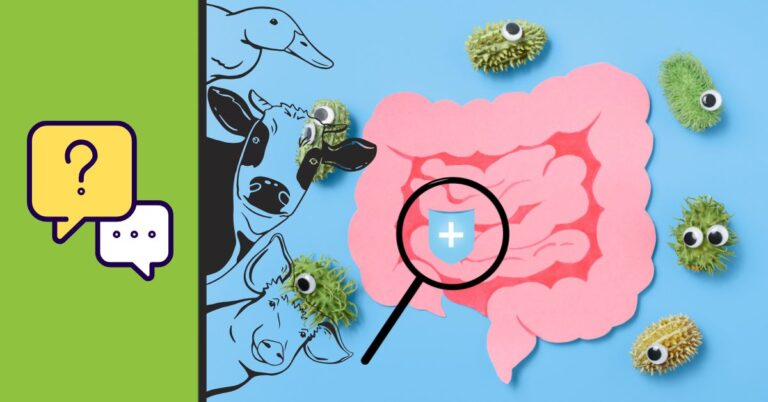
Can feed additives, probiotics, or prebiotics help maintain gut health and reduce disease prevalence without resorting to antibiotics?
With the growing need for antibiotic-free livestock production, feed additives, probiotics, and prebiotics are becoming essential tools for maintaining gut...

What are the key indicators of good gut health in our animals, and how do we monitor them regularly?
A healthy gut is essential for optimal digestion, immunity, and overall animal performance. Key indicators of good gut health include...

What are the best biosecurity measures to prevent diseases like avian influenza?
Protecting your poultry from avian influenza and other diseases starts with strong biosecurity practices. Implementing the right measures can help...
